
 EN
EN

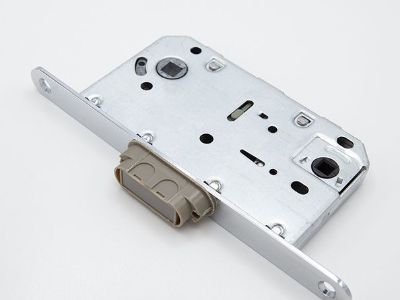
Standardizing home door lock dimensions is a critical consideration for companies involved in multi-project procurement. This process ensures that products fit seamlessly into various door types and meet safety and functionality standards. For purchasing managers, engineers, and product managers, understanding the nuanced specifications of door lock can significantly impact project efficiency and cost-effectiveness. This article will explore how to choose the right dimensions, evaluate cost factors, assess material quality, and compare supplier reliability, providing essential insights for making informed procurement decisions.
How to Choose the Right Door Lock Dimensions for Your Projects?
Selecting the appropriate door lock dimensions begins with assessing the specific requirements of the installation environment. Key dimensions include backset, faceplate size, and borehole diameter. The backset, which is the distance from the edge of the door to the center of the door lock types, typically ranges from 2-3/8 inches to 2-3/4 inches. It’s crucial to verify that the selected dimensions match the door thickness and design to ensure proper fitting.
Moreover, buyers should consider the compatibility of the locking mechanism with existing door hardware. For example, a mortise lock will require a different preparation than a cylindrical lock. Understanding the installation environment whether residential, commercial, or industrial also plays a role in determining the most suitable dimensions. Collaborating with a knowledgeable supplier can help streamline this process and allow for custom dimensions when needed.
What Buyers Should Know?
When procuring door locks, buyers must familiarize themselves with various specifications beyond just dimensions. Important factors include security ratings, such as those outlined by the American National Standards Institute (ANSI), which classify locks from Grade 1 (highest security) to Grade 3 (lowest). Buyers should also verify compliance with relevant local and international standards, such as CE and EN/DIN, which indicate quality and safety.
Additionally, understanding the materials used in lock construction is vital. Common materials include brass, stainless steel, and zinc die-cast, each offering different levels of durability and resistance to corrosion. Buyers should assess the intended application and environmental exposure like moisture levels or extreme temperatures to choose materials that will perform reliably over time.
Evaluating Cost Factors in Home Door Lock Procurement
Cost evaluation in home door lock procurement encompasses more than just the unit price. Buyers should consider factors such as volume discounts, lead times, and shipping costs. For projects requiring bulk orders, negotiating with suppliers can yield significant savings. It’s also important to account for potential additional costs related to installation or modification, particularly when custom dimensions or features are required.
Another cost consideration is the lifecycle value of the lock. A higher initial investment in a quality lock may reduce long-term costs associated with maintenance and replacement. Buyers should also factor in any warranties or guarantees provided by suppliers, as these can indicate the manufacturer's confidence in their product’s durability and performance.
The Importance of Material Quality in Home Door Lock Sourcing
Material quality directly affects a door lock's performance, longevity, and security. For instance, locks made from high-grade stainless steel are generally more resistant to wear and corrosion compared to those made from lower-quality materials. Buyers should inquire about the specific grades of materials used in the main door lock they are considering, as well as any surface treatments applied, such as electroplating or powder coating, that enhance durability.
Additionally, the lock's internal components such as the cylinder and the mechanism should be constructed from robust materials to prevent tampering and ensure smooth operation. Understanding the manufacturing processes, including any quality control measures, can provide further assurance of the lock’s reliability. A reputable manufacturer, like Intelliware, will have stringent quality control processes to ensure that products meet established standards and perform as expected.
Comparing Supplier Reliability for Home Door Lock Purchases
Supplier reliability is a crucial factor in ensuring the success of procurement projects. Buyers should assess the supplier's experience and reputation within the industry. This includes looking at their manufacturing capabilities, production capacity, and history with similar projects. Suppliers with a proven track record of timely deliveries and consistent quality are typically more trustworthy.
Additionally, buyers should request references or case studies from potential suppliers, which can provide insights into their problem-solving capabilities and customer service levels. It’s also wise to evaluate their logistical capabilities, including shipping methods and lead times, as these factors can significantly impact project timelines.
Finally, buyers should be proactive in discussing customization options with suppliers. Many projects require specific features or adaptations, and a supplier that is flexible and responsive to customization requests can add substantial value to a procurement relationship.
By understanding these key considerations around standardizing home door lock dimensions, buyers can make informed decisions that align with their project requirements and long-term goals.