
 EN
EN

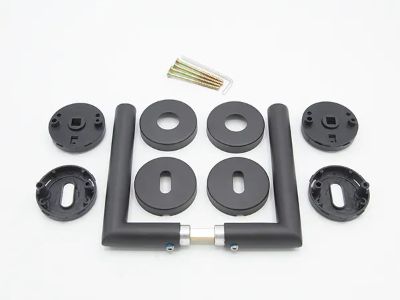
Understanding how spring mechanisms affect residential Lockset durability is crucial for manufacturers, distributors, and purchasing managers in the hardware industry. Spring mechanisms play a vital role in the functionality of Locksets, influencing their reliability and longevity. This article will explore the intricacies of spring mechanisms in residential Locksets, addressing common buyer concerns such as quality, material selection, and potential issues. By the end, you will gain a clearer understanding of how to evaluate and choose the right spring mechanisms for your residential Lockset needs
How Spring Mechanisms Influence Lockset Quality and Durability
Spring mechanisms are essential components in residential Locksets, impacting their overall quality and durability. The primary function of these springs is to provide the necessary force for the locking and unlocking actions. A well-designed spring mechanism contributes to a smoother operation, reducing wear and tear on lock components
The durability of a Lockset cylinder is significantly affected by the materials used in the springs. High-quality steel springs, for instance, can withstand repeated use without losing tension, while inferior materials may weaken over time, leading to malfunction. Additionally, the design of the spring mechanism, such as whether it is a coil or flat spring, also plays a role in its performance. Coil springs generally offer better resilience, which can enhance the Lockset's lifespan
Manufacturers must conduct rigorous testing to ensure that the spring mechanisms they use meet industry standards, such as EN/DIN certifications, to guarantee reliability and safety. A spring mechanism that fails can compromise the entire Lockset, leading to security issues for the end-user
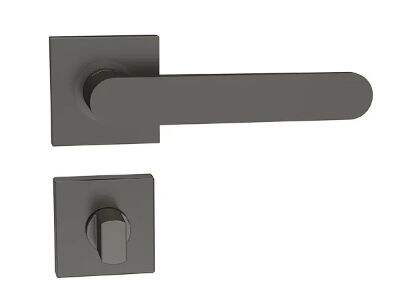
Choosing the Right Spring Mechanism for Residential Locksets
Selecting the appropriate spring mechanism for residential Locksets involves a thorough understanding of the intended application and environmental factors. Different types of spring mechanisms are available, including coil, flat, and torsion springs, each offering distinct advantages depending on the application
Coil springs are often preferred for their ability to provide uniform force and excellent durability. They are particularly suitable for high-use environments where frequent locking and unlocking occur. Flat springs, while less common in residential applications, can be advantageous in specific designs where space constraints exist
When choosing a spring mechanism, consider the load requirements. A spring that is too weak may lead to premature failure, while one that is too strong can cause unnecessary strain on the Lockset components. It’s also essential to assess the environmental conditions, such as exposure to moisture or temperature fluctuations, which can influence material selection and spring performance
Engaging with a reputable manufacturer, such as Intelliware, can provide valuable insights into the best spring solutions for your specific Lockset designs. They can guide you through customization options that align with your quality and durability needs
Comparing Spring Mechanisms in Residential Lockset Applications
When comparing spring mechanisms for residential Lockset applications, several factors come into play, including material, design, and intended use. For instance, coil springs are ideal for entry doors that require a high level of security and frequent access, while a flat spring hinges for doors may suffice for interior doors that experience less frequent use
The material of the spring is paramount. Stainless steel is often favored for its corrosion resistance, making it suitable for environments with high humidity, such as coastal regions. Conversely, carbon steel springs may offer superior tensile strength but could be less durable in adverse conditions without protective coatings
Testing is also critical in this comparison. Locksets equipped with different spring mechanisms should undergo stress tests to determine their performance under typical usage scenarios. This data can guide purchasers in making informed decisions about which spring mechanism will deliver the best balance of durability, functionality, and cost-effectiveness for their specific applications
What to Consider When Evaluating Lockset Spring Durability
Evaluating the durability of Lockset springs requires a comprehensive assessment of several key factors. First and foremost, the quality of the materials used is critical. Look for springs made from high-grade steel or other alloys that can withstand the rigors of daily use without deforming or breaking
Next, consider the design and manufacturing process of the spring. Springs that are produced using advanced techniques, such as heat treatment or precision machining, often exhibit greater durability. These processes can enhance the strength and elasticity of the spring, contributing to a longer lifespan
Buyers should also inquire about the testing protocols employed by manufacturers. A reliable supplier will conduct rigorous testing, including fatigue resistance and corrosion testing, to ensure that their springs will perform adequately over time. Additionally, understanding the manufacturer's quality control processes can provide insights into the consistency and reliability of the products offered
Finally, it is essential to verify that the spring mechanisms comply with relevant certification standards, as this can provide assurance of their durability and performance
Common Problems with Spring Mechanisms and Their Solutions
Despite their importance, spring door hinge mechanisms in Locksets can encounter various issues that may affect performance. One common problem is spring fatigue, which occurs when a spring loses its tension after repeated use. This can lead to a Lockset that fails to engage properly. To mitigate this, manufacturers should consider using higher-quality materials and designs that minimize stress concentrations
Another issue is corrosion, especially in environments with high humidity or exposure to harsh chemicals. Using corrosion-resistant materials, such as stainless steel or applying protective coatings, can significantly extend the life of the spring mechanisms
Additionally, improper installation can lead to binding or misalignment, affecting the Lockset’s functionality. Proper training and guidelines for installation should be provided to ensure that all components, including springs, are correctly fitted
Understanding the impact of spring mechanisms on residential Lockset durability is vital for manufacturers and buyers alike. By considering factors such as material quality, design, and testing, you can select the most appropriate spring for your Locksets, ensuring long-lasting performance and reliability. Engaging with experienced suppliers like Intelliware will further enhance your ability to make informed purchasing decisions that meet your specific needs
Table of Contents
- How Spring Mechanisms Influence Lockset Quality and Durability
- Choosing the Right Spring Mechanism for Residential Locksets
- Comparing Spring Mechanisms in Residential Lockset Applications
- What to Consider When Evaluating Lockset Spring Durability
- Common Problems with Spring Mechanisms and Their Solutions