
 EN
EN

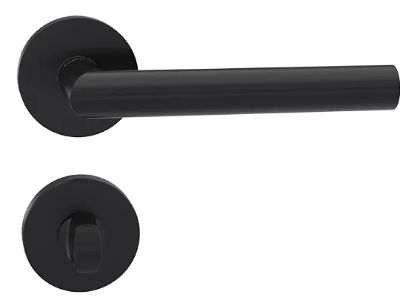
Understanding how plating quality influences the service life of door lock finishes is crucial for ensuring durability and reliability in various applications. Buyers, including purchasing managers and product engineers, often face concerns regarding the longevity and performance of door locks in different environments. This article will delve into how plating affects door lock finishes, helping you make informed decisions when selecting the right products for your needs
How Plating Quality Affects the Longevity of Door Lock Finishes
Plating serves as a protective layer for door locks and handles, influencing their resistance to corrosion, wear, and aesthetic appearance. High-quality plating can enhance the longevity of door lock finishes by providing a robust barrier against environmental factors like moisture and chemicals. For instance, zinc plating offers good corrosion resistance, while chrome plating provides a shiny finish and additional hardness
A common mistake buyers make is assuming that all plating is equal. Factors such as thickness, adhesion, and the base material of the lock can significantly affect performance. If the plating is too thin, it may wear off quickly, exposing the base material to corrosion. Adherence issues, where the plating does not bond properly to the substrate, can lead to chipping and peeling, ultimately reducing the service life of the lock
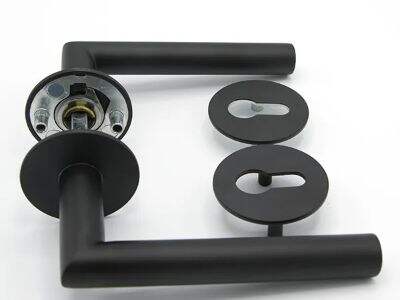
Choosing the Right Plating for Enhanced Door Lock Durability
Selecting the appropriate plating for door locks is essential for meeting specific performance requirements. Different environments require different types of plating. For example, locks used in coastal areas may require nickel or chrome plating due to their superior resistance to saltwater corrosion, while locks in industrial settings might benefit from specialized coatings that resist chemicals and abrasion
When evaluating plating options, consider factors such as the expected exposure to elements, the desired finish (matte vs. shiny), and the overall aesthetic requirements of the project. This assessment should align with the lock’s intended application to ensure maximum durability and function
Quality Plating for Door Locks in Bulk Orders
For businesses placing bulk orders, ensuring consistent plating quality across all units is vital. Variability in plating can lead to issues like inconsistent appearance and performance, which can be detrimental in high-volume installations. Prior to placing a bulk order, it’s essential to request samples and conduct thorough quality checks to assess the plating consistency
Engaging a manufacturer like Intelliware, known for its commitment to quality and adherence to EN/DIN standards, can help mitigate risks associated with bulk orders. Be sure to clarify the minimum order quantity (MOQ) and inquire about lead times, as these factors can influence your procurement timeline and inventory management
Evaluating Plating Quality for Lock Finishes
When assessing the plating quality of door locks, several key attributes should be scrutinized
Thickness: The plating thickness can significantly affect durability. Thicker coatings generally provide better protection, but the specific requirements may vary based on application
Adhesion Tests: Conducting adhesion tests during the quality inspection process can reveal how well the plating bonds to the lock surface. Poor adhesion can lead to premature failure
Visual Inspection: A thorough visual inspection can identify surface imperfections, such as bubbles or spots that indicate poor plating processes
Corrosion Resistance Tests: Understanding the lock's performance in corrosion resistance tests can provide insights into its expected lifespan, especially in harsh environments
Finish Consistency: The finish should be uniform across all locks to maintain a professional appearance. Inconsistencies can lead to customer dissatisfaction and increased maintenance costs
Buyers should consider these factors when evaluating suppliers and their products to ensure high-quality lock finishes that meet their specific needs
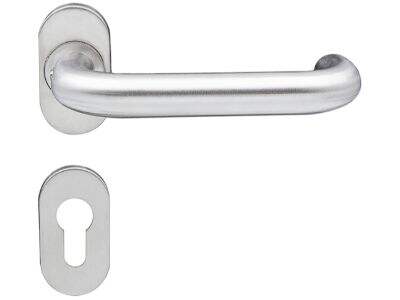
Ensuring Proper Plating for Lock Longevity
To ensure the longevity of bathroom door locks and handles finishes, it’s essential to have a comprehensive understanding of the plating process and its impact on the final product. Here are some practical steps to consider
Pre-Production Samples: Always request pre-production samples to evaluate the quality of the plating before mass production. This step allows for adjustments to be made if necessary
Collaboration with Suppliers: Engage with your suppliers early in the design phase to discuss specific requirements and any potential challenges related to plating. This collaboration can lead to better outcomes and fewer issues down the line
Regular Quality Checks: Implement regular quality checks during the production process to maintain standards. This practice can help catch any issues early, reducing waste and ensuring product consistency
Understanding Application Needs: Different applications may require different types of plating. Clearly communicate the intended use of the locks to your manufacturer so they can recommend the most suitable plating options
Post-Production Testing: After production, conduct tests for wear and corrosion resistance to validate that the locks meet the required standards. This step can help prevent costly failures in the field and enhance customer satisfaction
By emphasizing these practices, buyers can ensure they choose door locks with finishes that stand the test of time, thereby reducing replacement costs and enhancing overall performance