
 EN
EN


Selecting the right door hinges is crucial for ensuring functionality, longevity, and safety in various applications. The process of door hinge selection based on door weight, size, and operating frequency can significantly impact the performance of a door system. This article will guide you through the essential factors to consider when choosing hinges, addressing common concerns for purchasing managers and engineers, including specifications, quality, and cost-effectiveness
Understanding Door Hinge Selection Based on Weight and Size
The weight and size of a door are primary factors influencing hinge selection. A heavier door requires hinges that can support its weight without bending or failing. For instance, standard residential doors typically weigh between 20 to 45 pounds, while commercial doors can exceed 100 pounds. Proper hinge selection ensures that the door operates smoothly without undue stress on the frame or hardware
When assessing door size, consider both the dimensions and the door's intended use. For example, a large, frequently used door in a commercial setting may require heavy-duty hinges capable of withstanding high-frequency operation. Additionally, the height and width of the door will dictate the size and number of hinges needed. Typically, a standard interior door may require two hinges, while a heavier or taller door may need three or more to distribute the weight effectively
Key Specifications for Choosing Hinges Based on Door Size
Several key specifications are vital when selecting hinges based on door size. These include
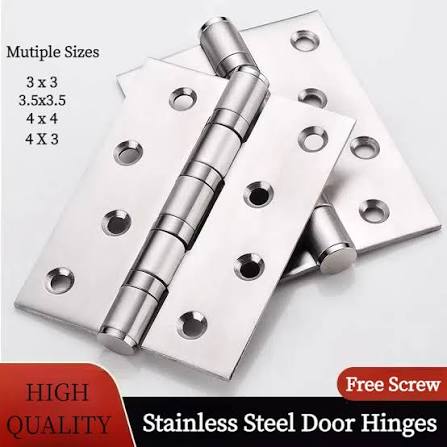
Hinge Thickness: The thickness of the hinge is crucial for supporting the door's weight. Thicker hinges generally provide better support and are less likely to deform under load
Pin Diameter: The diameter of the hinge pin affects the strength and stability of the hinge. A larger pin diameter can enhance durability, especially in high-use environments
Leaf Size: The size of the hinge leaves should correspond to the door's dimensions. Larger leaves offer more surface area for attachment, improving stability and load distribution
Material: The material of the hinge plays a significant role in its performance. Steel hinges are strong and suitable for heavy doors, while stainless steel is ideal for environments exposed to moisture or corrosion
Finish: The finish of the hinge affects both aesthetics and functionality. A powder-coated finish can provide additional protection against wear and environmental factors
Understanding these specifications ensures that the chosen hinge will perform effectively in its intended application, reducing the likelihood of operational issues
Evaluating Quality and Performance Factors
When selecting door hinges, quality and performance are paramount. Look for hinges that meet industry standards, such as CE marking and EN/DIN compliance, which indicate adherence to safety and quality benchmarks
Additionally, consider the hinge's load capacity, which should be specified by the manufacturer. High-quality hinges will undergo rigorous testing to determine their performance under various conditions, including weight loads and operational cycles
Another performance factor is the type of bearing used in the hinge. For example, ball-bearing hinges provide smoother operation and are less prone to wear compared to non-bearing options. This is particularly important for doors subject to frequent use, as they can minimize friction and prolong the hinge's lifespan
Comparing Cost Factors for Different Hinge Types and Materials
Cost is an essential consideration when selecting self closing door hinges, but it should not be the sole determining factor. Various hinge types and materials will have different price points, which can impact your overall project budget
Material Costs: Hinges made from stainless steel or brass will typically cost more than those made from galvanized steel, but they offer better corrosion resistance and durability, which may justify the higher initial investment
Hinge Type: The type of hinge—whether it be standard, continuous, or concealed—can also affect pricing. Continuous hinges, for example, provide uniform support and are ideal for heavy doors but may come with a higher price tag
Volume Discounts: Many manufacturers, including those like Intelliware, offer discounts for bulk purchases. Understanding your minimum order quantity (MOQ) can help you negotiate better pricing based on your requirements
Long-Term Costs: Evaluate the long-term costs associated with hinge selection, including maintenance and replacement. Investing in higher-quality hinges may reduce the frequency of replacements and repairs, ultimately leading to cost savings
By weighing these cost factors, buyers can make informed decisions that balance initial expenses with long-term value
What to Consider When Selecting Hinges for Heavy-Duty Applications
Heavy-duty applications, such as industrial doors or high-traffic areas, require hinges that can withstand significant stress and usage. Here are key considerations
Load Capacity: Confirm the load capacity of the hinge and ensure it exceeds the weight of the door. This will help prevent failures due to overloading
Material Strength: Choose high-strength materials, like heavy-gauge steel or stainless steel, which provide better performance in demanding environments
Weather Resistance: For outdoor or exposed applications, select hinges with corrosion-resistant finishes to prevent deterioration over time. This is particularly critical in regions with harsh weather conditions
Maintenance Needs: Consider the maintenance requirements of the hinges. Some designs may require more frequent lubrication or inspection, impacting operational efficiency
Customization Options: If standard hinges do not meet specific needs, inquire about customization capabilities. Manufacturers like Intelliware often provide tailored solutions that can enhance performance in unique applications
By addressing these factors, buyers can ensure that their hinge selection aligns with the demands of heavy-duty applications, promoting durability and reliability
Understanding the nuances of self closing door hinge selection based on weight, size, and operating frequency is essential for making informed purchasing decisions. By considering specifications, quality, cost, and application requirements, purchasing managers and engineers can select hinges that provide optimal performance and longevity in their projects