
 EN
EN

Understanding the differences between butt hinges and continuous hinges is essential for B2B projects involving door and window fittings. As a key consideration in your decision-making process, these hinge types offer distinct advantages and applications that can significantly affect functionality and durability. This article will guide you through the critical factors to consider when choosing between butt hinges and continuous hinges, while addressing the main concerns of purchasing managers and product managers alike
How to Choose Between Butt Hinges and Continuous Hinges for Your Needs
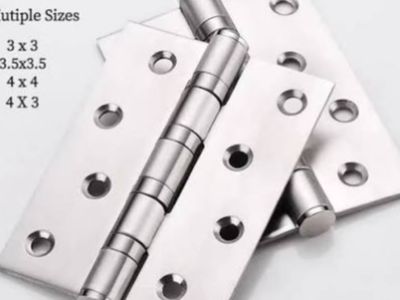
When selecting between butt hinges and continuous hinges, the application and specific requirements of your project are paramount. Butt brass door hinges, typically composed of two plates joined by a pin, are ideal for standard doors and provide a clean aesthetic with a variety of sizes and finishes. They are suitable for lightweight to medium-weight doors and offer ease of installation
In contrast, continuous hinges, often referred to as piano hinges, run the full length of the door. This makes them suitable for higher-traffic applications where durability is essential, such as in commercial or industrial settings. Their design provides enhanced support and weight distribution, making them preferred for heavier doors or those exposed to frequent use
The choice may also depend on factors such as door size, weight, frequency of use, and environmental conditions. For example, continuous hinges are better suited for environments where doors are subjected to harsh conditions or require additional security features
What to Look for in Hinges for B2B Applications
When evaluating interior door hinges for B2B applications, certain specifications and features should be prioritized. Key considerations include
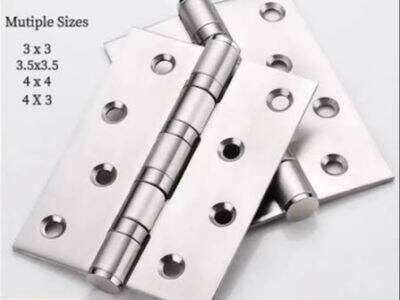
Material: Look for hinges made from durable materials such as stainless steel or brass, which offer corrosion resistance and longevity. Stainless steel is particularly advantageous in humid environments
Load Capacity: Ensure the hinge can support the weight of the door without warping or failing. This is especially critical for heavy doors in high-traffic areas
Finish and Coating: Depending on the application, finishes can affect both aesthetics and performance. Powder coating may provide additional protection against wear and corrosion
Size and Dimensions: Confirm that the hinge dimensions match the door and frame specifications. Misalignment can lead to operational issues or damage
Certification and Compliance: Ensure that the hinges meet industry standards such as EN/DIN certifications, especially if they will be used in commercial applications
Customization Capabilities: Depending on your specific requirements, consider suppliers that can offer tailored solutions such as unique sizing or specialized materials
Budgeting for Butt Hinges and Continuous Hinges
When budgeting for hinges, it's important to consider not only the initial purchase price but also long-term value. Butt hinges generally have a lower upfront cost, making them a favorable choice for budget-conscious projects. However, if the application demands higher durability or security, investing in continuous hinges may yield cost savings over time by reducing maintenance and replacement frequency
Additionally, consider the total cost of ownership, which includes installation costs, potential delays, and logistical considerations. In some cases, more expensive continuous hinges may be more economical in the long run due to their longevity and performance in demanding applications
Best Practices for Using Different Hinges
Maximizing the performance and lifespan of hinges involves adhering to best practices during installation and maintenance
Correct Installation: Ensure that hinges are installed level and aligned properly to prevent undue stress, which can lead to premature failure
Regular Maintenance: Implement a routine inspection and lubrication schedule, particularly for continuous hinges that may accumulate dust and debris in their longer structure
Load Management: Be mindful of the weight distribution on doors to avoid overloading hinges. For heavy applications, consider additional support mechanisms
Environment Considerations: For hinges used in harsh environments, consider additional protective measures such as weather stripping or sealants to prevent moisture ingress that may lead to corrosion
Testing: Before mass production, conduct tests on samples to ensure that the selected hinge type meets the operational demands of the final application
Common Problems with Hinges and Their Solutions for B2B Buyers
Hinge-related issues can hamper operational efficiency and lead to costly repairs. Here are common problems and their solutions
Misalignment: This can occur during installation or over time due to wear. Regularly check alignment and adjust as necessary. In persistent cases, consider reinforcing the door frame
Wear and Tear: Frequent use can lead to wear, especially in butt hinges. To mitigate this, ensure quality materials and finishes are used, and consider continuous hinges for high-traffic applications
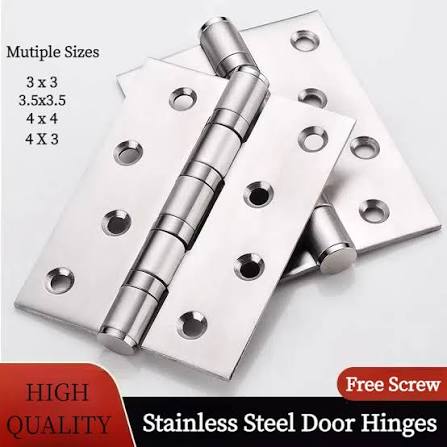
Corrosion: Hinges exposed to moisture or chemicals may corrode. Selecting corrosion-resistant materials and applying protective coatings can minimize this risk
Noise: Squeaking hinges can disrupt workflows. Routine lubrication with appropriate oils or greases can help maintain quiet operation
Breaking or Failure: For hinges that fail, it’s crucial to assess if the load capacity was appropriate for the application. If not, upgrading to more robust options like continuous hinges may be necessary
By understanding these common challenges and implementing proactive strategies, B2B buyers can enhance the reliability and functionality of hinge systems in their projects
Making an informed decision between butt bearing hinges and continuous hinges requires careful consideration of application needs, material specifications, and long-term performance expectations. By following the guidelines above, you can ensure that your choice aligns with the demands of your project and contributes to overall operational efficiency.