
 EN
EN

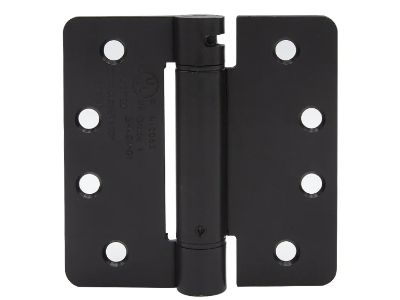
Understanding how hinge knuckle design influences door movement and stability is crucial for buyers in the manufacturing and construction industries. Selecting the right hinge knuckle can significantly affect door functionality, longevity, and overall performance. This article will delve into the key aspects of hinge knuckle design, addressing common buyer concerns such as material selection, application suitability and quality assurance. By the end, B2B buyers will have a clearer understanding of what to consider when specifying hinge knuckles for their projects.
How Hinge Knuckle Design Impacts Door Functionality and Stability?
Hinge knuckle design directly influences how a door operates and its stability over time. The knuckle is the cylindrical part of the hinge that allows for rotation, facilitating the opening and closing of doors. A well-designed knuckle ensures smooth movement and proper alignment, which is essential for maintaining door integrity. Factors such as the knuckle's diameter, length, and the number of knuckles can impact load-bearing capabilities and the overall lifespan of the hinge. For instance, larger door hinge can support heavier doors, while multiple knuckles can distribute weight more evenly, reducing strain on individual components. This design consideration is particularly critical in high-traffic areas or for doors that are frequently used. Additionally, the spacing between knuckles can affect the door's stability. Proper spacing prevents excessive play, which can lead to misalignment or increased wear over time. Buyers should ensure that the hinge knuckle design is tailored to the specific application, taking into account the door’s weight, frequency of use, and environmental conditions.
Hinge Knuckle Features for Reliable Door Movement
Reliable door movement is dependent on several features inherent to hinge knuckles. The material used in the knuckle construction plays a significant role in its performance. Common materials include stainless steel, brass, and zinc alloy. Each material offers different levels of durability, corrosion resistance, and aesthetic appeal. For example, stainless steel is often favored for its strength and resistance to rust, making it ideal for external doors or areas exposed to moisture. Another important feature is the bearing type within the hinge. Standard hinges may utilize a simple pin design, but those with ball bearings provide smoother operation and reduced friction. This can be particularly beneficial for heavier doors or in applications where quiet operation is desired, such as in office environments. Additionally, the surface treatment of the hinge doors and hinges can enhance performance. Options like electroplating or powder coating can provide added protection against wear and corrosion, extending the lifespan of the product. Buyers should consider these features when evaluating hinge knuckles, as they directly impact functionality and maintenance needs.
Which Fits Your Project Needs?
Selecting the right hinge knuckle for a project depends on various factors, including door type, weight, and intended use. For commercial applications, such as office buildings or retail spaces, heavy-duty hinges with a high load capacity are often necessary. In contrast, residential projects may require lighter options that still maintain quality and reliability.
When assessing hinge knuckles, buyers should provide specific project details to suppliers. Key information includes:
Door dimensions and weight: This helps determine the appropriate hinge size and load capacity.
Usage frequency: High-traffic areas may necessitate more durable options.
Environmental conditions: Consider whether the hinge will be exposed to moisture, chemicals, or extreme temperatures.
Aesthetic requirements: The finish and style of the hinge of a door should complement the overall design of the building.
By clearly communicating these aspects, buyers can receive tailored recommendations that meet their project needs.
What Buyers Should Know?
For B2B buyers, understanding the specifications and requirements for hinge knuckles is crucial for making informed purchasing decisions. Here are several considerations to keep in mind:
Quality Certifications: Ensure that the hinge knuckles meet relevant industry standards, such as CE marking and EN/DIN certifications. This guarantees compliance with safety and performance requirements.
Sample Approval: Before committing to a large order, request samples to evaluate fit, finish, and functionality. Testing samples under actual operating conditions can reveal potential issues that may not be apparent from specifications alone.
Lead Time and MOQ: Understand the lead time for production and the minimum order quantity (MOQ) that applies. This information helps in planning project timelines and budgeting.
Customization Options: Manufacturers like Intelliware can often provide customization for hinge knuckles, including specific sizes, finishes, and materials. Discuss any special requirements early in the procurement process.
Installation Considerations: Ensure the hinge knuckles are compatible with existing door frames and hardware. Installation guidelines should be clear to avoid complications during setup.
By keeping these factors in mind, buyers can navigate the purchasing process more effectively and avoid common pitfalls.
The Importance of Material Choices in Hinge Knuckle Design Stability
Material selection is a pivotal aspect of hinge knuckle design that directly affects stability and performance. The chosen material influences not only the physical characteristics of the hinge but also its long-term reliability in various applications.
Stainless Steel: Known for its high strength and corrosion resistance, making it ideal for external doors or environments with high humidity.
Brass: Offers excellent aesthetic appeal and moderate strength, suitable for interior applications where appearance is a priority.
Zinc Alloy: Provides a cost-effective solution with decent strength, often used in lighter-duty applications.
When selecting materials, buyers should consider the operational environment and expected wear. For example, in industrial settings where exposure to chemicals is common, a more durable and resistant material like stainless steel would be preferable over brass or zinc. Additionally, the thickness of the material can influence load-bearing capacity; thicker materials generally offer greater strength but may add weight. Buyers should also verify that the selected material complies with local building codes and regulations, ensuring that all safety standards are met. Understanding the intricacies of hinge knuckle design is essential for making informed decisions in the B2B space. By focusing on functionality, material selection, and project-specific requirements, buyers can ensure optimal performance and longevity for their door installations.