
 EN

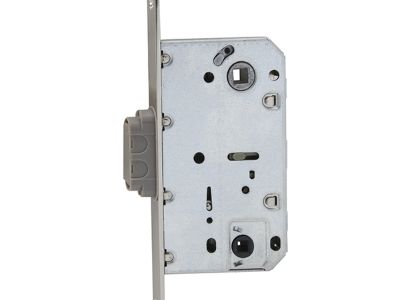
Understanding backset dimensions is crucial for ensuring that home door locks are compatible with existing door hardware. This article will delve into how backset dimensions affect home door lock compatibility, addressing the key concerns of purchasing managers and engineers in the manufacturing and construction sectors. By understanding these dimensions, buyers can make informed decisions that enhance security and functionality in residential installations.
Understanding Backset Dimensions for Door Lock Selection
Backset is the distance from the edge of the door to the center of the lock cylinder. This measurement plays a pivotal role in selecting the appropriate door lock types, as it determines how well the lock fits within the door's structure. Standard backset dimensions are typically 2-3/8 inches or 2-3/4 inches, but variations can exist based on door thickness and manufacturer specifications.
Understanding these dimensions is vital because an incorrect backset can lead to installation issues, compromising the lock’s security and functionality. Buyers should ensure that the backset measurement aligns with the lock they intend to install, as mismatched dimensions can lead to operational failures and increased costs due to rework or replacement.
How Backset Dimensions Influence Home Lock Compatibility
The compatibility of door locks with existing hardware is significantly influenced by backset dimensions. A lock with a backset that is too short may not extend deep enough into the door frame, while a lock with a backset that is too long can protrude awkwardly, leading to potential security vulnerabilities.
Furthermore, different door types such as those made from solid wood, metal, or composite materials may have specific requirements regarding backset measurements. This means that buyers must consider the material and design of the door when selecting locks. For instance, hollow-core doors may require specific adaptations to accommodate locks with a longer backset.
In addition, some door handles and knobs also have specific backset requirements, which can further complicate compatibility. Therefore, understanding how backset dimensions work in conjunction with other hardware is essential for achieving a cohesive and secure door assembly.
Choosing Locks Based on Backset Measurements
When selecting door locks, buyers should prioritize accurate measurement of the backset. To do this, measure from the edge of the door to the center of the existing lock hole. If a new lock is being installed, ensure that the lock's specifications match the measured backset.
Buyers should also consider the following when choosing locks:
Lock Type: Deadbolts, knob locks, and lever handles may have different backset requirements. Ensure that the lock type chosen is compatible with the door's backset.
Adjustability: Some locks come with adjustable backsets, providing flexibility for various installations. This feature can be beneficial for wholesalers or distributors managing multiple projects with varying door specifications.
Manufacturer Guidelines: Always refer to the manufacturer’s specifications for the recommended backset dimensions. This information is crucial for ensuring compatibility and performance.
By paying close attention to these factors, buyers can avoid common pitfalls and ensure that the selected locks will function correctly and securely.
A Guide for Wholesale Buyers
For wholesale buyers, understanding backset dimensions is integral to providing quality products to customers. When sourcing locks, consider the following:
Product Variations: Different manufacturers may have unique backset specifications. Always verify these specifications to ensure a consistent offering to your clientele.
Minimum Order Quantity (MOQ): Check the MOQ for specific lock models, especially those with unique backset dimensions. Custom orders may also be available, which can cater to specific client needs.
Sample Evaluation: Before finalizing bulk orders, request samples to test compatibility with doors. This step is crucial to confirm that the locks meet the expected backset requirements and function properly.
Lead Times and Shipping: Be aware that custom orders or specific backset requirements may result in longer lead times. Communicating these timelines to customers can enhance trust and satisfaction.
By keeping these considerations in mind, wholesale buyers can streamline their purchasing process and enhance their product offerings.
Installation Tips for Locks Based on Backset Measurements
Proper installation of door locks is critical for ensuring security and functionality. When installing security door lock based on backset measurements, consider the following tips:
Precise Measurements: Double-check all measurements before cutting or drilling. A miscalculation can lead to wasted materials and additional costs.
Use the Right Tools: Ensure that the correct tools are used for installation, such as chisels for mortising the door or hole saws for creating lock cylinder entries.
Follow Manufacturer Instructions: Each lock may have specific installation guidelines that should be followed closely to ensure optimal performance.
Test Fit: Before finalizing the installation, test the lock to ensure it operates smoothly. This step can prevent issues that may arise from improper alignment related to backset dimensions.
In summary, understanding backset dimensions is essential for selecting compatible door locks, especially in the context of wholesale purchasing and installation. By following best practices and paying attention to specific measurements, buyers can ensure that their door lock selections meet quality and functionality standards while enhancing customer satisfaction.