
 EN

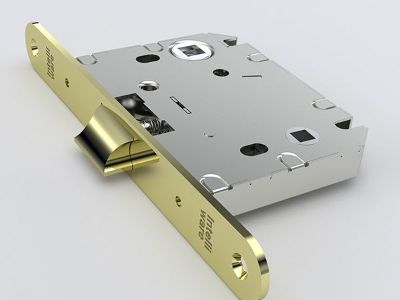
Choosing the right material for manufacturing residential door locks is crucial for ensuring security, durability, and aesthetic appeal. We will explore the differences between stainless steel and zinc alloy, two popular materials used in door lock manufacturing. This discussion will address key concerns for B2B buyers, such as material strength, corrosion resistance, cost-effectiveness, and suitability for various applications. By the end, you will have a clearer understanding of how to select the right material for your residential door lock needs.
How to Choose Between Stainless Steel and Zinc Alloy for Locks?
When deciding between stainless steel and zinc alloy for door locks, consider factors such as strength, corrosion resistance, weight, and cost. Stainless steel is known for its high tensile strength and resistance to rust and corrosion, making it ideal for environments exposed to moisture. In contrast, zinc alloy, while generally less durable, offers a lightweight option that can be more cost-effective for certain applications.
Buyers should also consider the lock's intended use. For high-security applications or areas with harsh weather conditions, stainless steel may be the preferred choice. Conversely, zinc alloy can be suitable for decorative locks or in situations where weight savings are essential. Additionally, aesthetics and finish options should be evaluated, as stainless steel typically offers a more polished appearance compared to zinc alloy.
Evaluating the Quality of Stainless Steel Door Lock Solutions
Quality in stainless steel locks is determined by several factors including the grade of stainless steel used, surface treatment, and manufacturing processes. Common grades for door lock types include 304 and 316 stainless steel. Grade 316, often referred to as marine grade, provides enhanced corrosion resistance, making it suitable for coastal or humid environments.
It is essential to inspect the surface finish as well. High-quality stainless steel locks will have a smooth, polished surface that not only enhances appearance but also provides better resistance to corrosion. Additionally, the manufacturing process should ensure tight tolerances and proper fit to maintain functionality and security. Before finalizing a purchase, buyers should request samples to assess the quality and performance of the best door locks under real-world conditions.
Sourcing Stainless Steel vs. Zinc Alloy Locks
When sourcing stainless steel or zinc alloy locks, buyers should consider several key aspects. First, evaluate the manufacturer's capabilities, including their production equipment and quality control processes. A reputable manufacturer, like Intelliware, will have stringent quality assurance protocols in place to ensure that locks meet required standards and specifications.
Next, assess the minimum order quantity (MOQ) and lead times. Stainless steel locks may have longer lead times due to the complexity of the manufacturing processes and the material's availability. It's also important to consider customization options; many manufacturers offer bespoke solutions tailored to specific requirements, including unique finishes or sizes.
Lastly, take into account the overall cost. While stainless steel locks may carry a higher initial price, their longevity and reduced maintenance costs can make them a more economical choice in the long run. Conversely, zinc alloy locks tend to be less expensive upfront but may require more frequent replacements due to wear and corrosion.
Installation Considerations for Stainless Steel and Zinc Alloy Locks
When it comes to installation, both stainless steel and zinc alloy locks require specific considerations. Stainless steel locks, known for their sturdiness, may necessitate more robust installation hardware. This ensures that they can withstand the forces applied during use and potential tampering attempts. Buyers should verify that their installation methods will accommodate the specific weight and dimensions of stainless steel locks.
On the other hand, zinc alloy locks, while lighter, may not have the same structural integrity. Their installation should ensure that they are secured properly to prevent bending or breaking. Additionally, it's essential to use compatible strike plates and screws to optimize performance.
Before installation, ensure that all components are included and in good condition. Inspect the lock for any defects or damages that could affect functionality. A thorough installation process will contribute significantly to the longevity and reliability of the locks.
Comparing Stainless Steel and Zinc Alloy Door Locks
Comparing stainless steel and zinc alloy door locks reveals distinct advantages and disadvantages for each material. Stainless steel locks are highly regarded for their durability, resistance to corrosion, and aesthetic appeal. They are an excellent choice for high-security applications and environments prone to moisture. However, the initial cost can be a barrier for some buyers.
Conversely, zinc alloy locks are lighter and generally more affordable, making them a popular choice for decorative applications or where cost is a significant factor. While they may not offer the same level of durability as stainless steel, advancements in manufacturing have improved their performance, making them suitable for many residential applications.
Ultimately, the choice between stainless steel and zinc alloy locks should be guided by the specific requirements of the project. Factors such as environmental conditions, security needs, and budget constraints will play a crucial role in the decision-making process. As a B2B buyer, understanding these differences will enable you to make a more informed choice that aligns with your company's standards and customer expectations.