
 EN

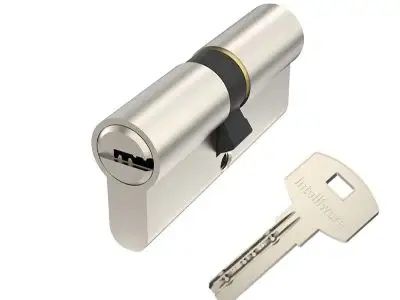
Understanding how lock cylinder design influences residential door security is crucial for buyers seeking reliable solutions to protect their properties. The design of a lock cylinder can significantly affect its resistance to unauthorized entry, making it a top concern for purchasing managers, distributors, and engineers. This article will delve into the key aspects of lock cylinder design, what buyers should consider, quality standards, features, and common issues associated with lock cylinders, empowering readers to make informed decisions
How Lock Cylinder Design Affects Residential Door Security
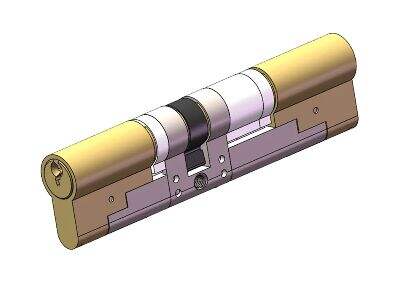
Lock cylinder design is fundamental to door security, as it directly impacts how effectively a lock can resist forced entry and unauthorized access. High-quality lock cylinders are engineered to be robust, often featuring advanced materials and intricate mechanisms that provide enhanced security. Key design elements include the cylinder's shape, the material used, and the internal mechanisms, such as pins or discs, which can thwart picking attempts
A well-designed door lock cylinder should also accommodate various key styles, providing versatility while maintaining a high level of security. For instance, locks that use a dimple key or a restricted keyway can offer better resistance to picking and unauthorized duplication, which are common vulnerabilities in traditional lock designs. Buyers must evaluate the security features of different lock cylinder designs to ensure they meet specific residential security needs
Key Considerations for Buyers
When purchasing lock cylinders for residential applications, buyers should consider several critical factors
Security Rating: Look for products that meet or exceed recognized security standards, such as those set by EN or DIN. Products that have passed anti-theft tests offer greater assurance of their security capabilities
Material Quality: The materials used in lock cylinder construction affect durability and resistance to tampering. Brass and hardened steel are common choices, providing strength and corrosion resistance
Customization Options: Buyers may require customized lock cylinders that fit specific door dimensions or security needs. Understanding the manufacturer’s capabilities for customization can streamline the purchasing process
Key Control: Evaluate the key control system, which restricts unauthorized duplication. Systems that offer restricted key blanks or patented designs can enhance security
Installation Compatibility: Ensure the lock cylinders are compatible with existing door hardware and can be installed without extensive modifications
By focusing on these considerations, buyers can ensure they select lock cylinders that not only fit their technical requirements but also enhance the overall security of residential properties
Quality Standards for Lock Cylinders in Residential Security Applications
Quality standards play a pivotal role in defining the reliability and effectiveness of lock cylinder replacement. Buyers should seek products that comply with established standards, such as the European EN 1303 standard, which outlines the performance requirements for cylinders used in buildings. Meeting these standards ensures that the lock cylinders have been rigorously tested for durability, resistance to manipulation, and overall security performance
Additionally, certifications from recognized bodies can provide further assurance. For instance, cylinders that have undergone anti-drill, anti-pick, and anti-bump tests are preferable, as they have demonstrated superior resistance to common attack methods. Buyers should also inquire about the manufacturer's quality control processes, including any testing protocols that are followed during production to ensure consistent quality and performance
Features and Benefits Explained
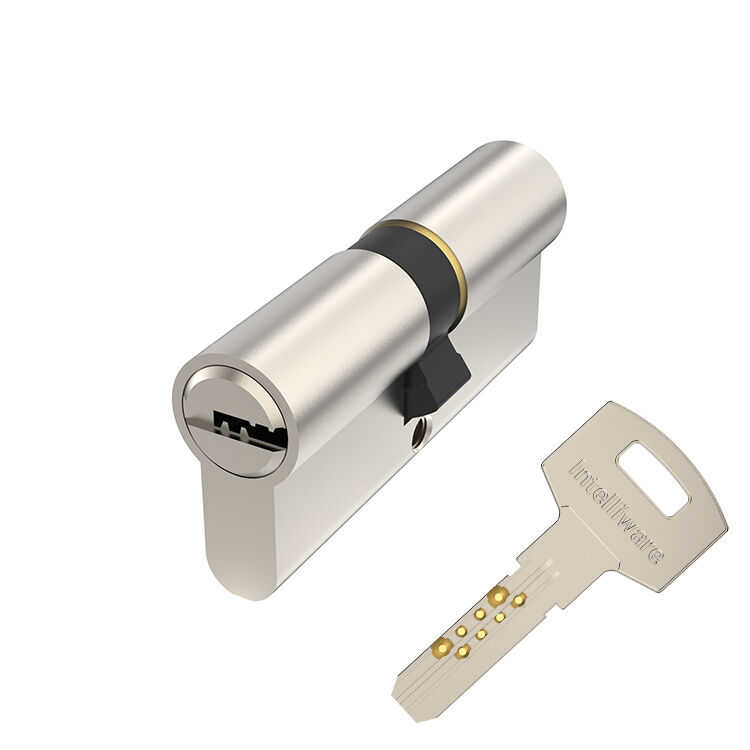
Lock cylinders come with various features designed to enhance security, usability, and convenience. Here are some notable features and their benefits
Anti-Picking Mechanisms: Enhanced pin designs or disc configurations make it difficult for thieves to pick locks, increasing the overall security of the door
Rekeyable Design: This feature allows homeowners to change the locking mechanism without replacing the entire lock cylinder, providing flexibility and cost savings
Weather Resistance: Lock cylinders designed with weather-resistant materials and finishes can withstand external elements, prolonging their lifespan and maintaining functionality
Smart Lock Integration: Some modern lock cylinders can integrate with smart home systems, offering advanced features like remote locking and keyless entry, appealing to tech-savvy consumers
Each of these features addresses specific buyer concerns, such as the need for enhanced security, ease of maintenance, and adaptability to modern living environments
Common Lock Cylinder Issues and Effective Solutions for Buyers
Despite their robust design, lock cylinders can experience certain issues that buyers should be aware of. Common problems include
Sticking or Jamming: This can occur due to dirt accumulation or corrosion within the cylinder. Regular maintenance, such as cleaning and lubrication, can prevent these issues
Key Misalignment: If the key does not insert smoothly or turns with difficulty, it may indicate that the cylinder is misaligned. Buyers should ensure proper installation and, if needed, consult with the manufacturer for adjustments
Wear Over Time: Continuous use can lead to wear on the internal components, resulting in decreased performance. Buyers should consider the volume of use the lock cylinder will face and select models that are rated for high-frequency applications
Unauthorized Duplication: If a lock cylinder does not have adequate key control measures, keys can be easily duplicated. Choosing cylinders with patented key designs can mitigate this risk
Addressing these common issues proactively can enhance the longevity and security effectiveness of lock cylinders, ensuring peace of mind for residential property owners
By understanding the relationship between lock cylinder design and residential door security, buyers can make informed decisions that align with their specific security needs. With careful consideration of key features, quality standards, and common challenges, purchasing managers and other industry professionals can select lock cylinders that provide reliable security for residential applications