
 EN
EN

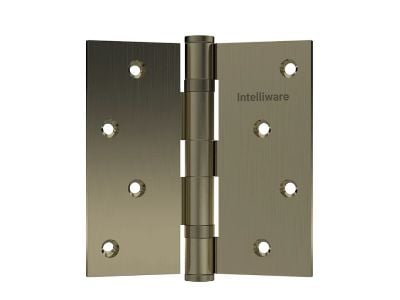
Precision machining is essential for producing high-performance door hinge components that meet stringent quality and durability standards. Buyers, including purchasing managers and engineers, often face concerns regarding material selection, manufacturing capabilities, and quality assurance. This article will delve into the precision machining requirements for these components, addressing key considerations that ensure optimal performance and reliability in various applications.
How to Choose Reliable Suppliers for Door Hinge Components?
Selecting a reliable supplier for door hinge components involves several critical factors. First, evaluate the supplier’s manufacturing capabilities, including their machinery and technology used in precision machining. Look for suppliers who utilize advanced CNC machining processes, as these can ensure tight tolerances and consistent quality. Furthermore, consider the supplier's certifications and quality control processes. A reputable manufacturer should comply with relevant standards such as EN/DIN and possess certifications like CE, which indicate adherence to safety and quality benchmarks. It’s also beneficial to request references or case studies related to similar projects to gauge the supplier's experience and reliability. Lastly, assess their customer service and support. A responsive supplier can make a significant difference in addressing concerns or modifications throughout the production process. Establishing clear communication and ensuring the supplier understands your specific requirements can lead to a more successful partnership.
Common Installation Challenges with Door Hinge Components
Installation of door hinge components can present several challenges that impact performance and longevity. One common issue is misalignment during installation, which can lead to uneven wear and premature failure. It is essential to ensure that the hinges are correctly positioned and secured, taking care to follow manufacturer guidelines regarding installation angles and torque specifications. Another challenge is the material compatibility with door and frame structures. For example, using hinges made from inappropriate materials can lead to corrosion or mechanical failure over time. Buyers should consult with suppliers regarding the best material options based on the environmental conditions and expected load requirements. Additionally, inadequate clearance between the hinge and the self closing door hinges or frame can cause operational issues, such as sticking or binding. This aspect should be accounted for during the design phase to ensure smooth functionality. Proper installation training and guidelines can mitigate these issues and enhance the overall performance of the door hinge components.
Bulk Order Considerations for Door Hinge Supply Needs
When planning for bulk orders of door hinge components, several considerations must be taken into account to optimize the purchasing process. Firstly, buyers should confirm the minimum order quantities (MOQ) with their suppliers, as this can vary significantly based on production capabilities and material availability. Lead times are also critical; understanding the typical production timeline can help in planning inventory needs effectively. It is advisable to discuss potential delays or production bottlenecks with the supplier, especially if the order consists of customized components. Moreover, pricing factors should be carefully evaluated. Bulk orders may provide cost advantages; however, it is essential to analyze the total cost of ownership, including shipping, handling, and potential storage fees. Buyers should also consider the flexibility of the supplier in accommodating changes in order quantities or specifications, as this can affect long-term partnership viability.
Material Advantages in Precision Machining of Door Hinges
The choice of material is pivotal in the precision machining of door hinge components, affecting their performance, durability, and resistance to environmental factors. Common materials used include stainless steel, brass, and zinc alloy, each offering distinct advantages. Stainless steel is favored for its excellent corrosion resistance and strength, making it ideal for door hinge or high-humidity applications. Brass, known for its aesthetic appeal and anti-corrosive properties, is often used in decorative hinges. Zinc alloy offers a balance of strength and cost-effectiveness, suitable for interior applications where exposure to elements is minimal. When selecting materials, buyers should consider the specific application requirements, including load-bearing capacities and exposure to chemicals or weather conditions. Additionally, consulting with suppliers about possible surface treatments such as plating or coating can further enhance material performance and longevity.
Where to Source High-Quality Door Hinge Products Wholesale?
Sourcing high-quality door hinge products wholesale involves identifying suppliers who prioritize quality and compliance with industry standards. Trade shows and industry expos can be excellent venues for discovering reputable manufacturers and suppliers. Here, buyers can directly assess product quality and engage in discussions regarding specifications and customization options. Online platforms and directories dedicated to B2B manufacturers also provide access to a wide range of suppliers. When using these resources, it's important to verify each supplier’s credentials and seek out customer reviews or testimonials to gauge reliability.
Additionally, engaging with industry associations or networks can provide valuable recommendations for trustworthy suppliers. These connections can help buyers navigate the complexities of wholesale sourcing, ensuring they select manufacturers who can meet their specific precision machining requirements efficiently. By understanding these precision machining requirements for high-performance door hinge door stop hinge components, buyers can make informed decisions that enhance the quality and reliability of their products, ultimately benefiting their operations and end users.