
 EN
EN

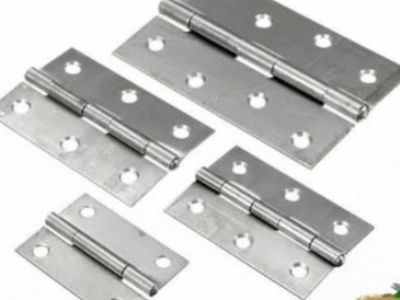
Concealed wiring through door hinges is an innovative solution that integrates electrical wiring seamlessly within door hinge structures, making it an ideal choice for smart building applications. B2B buyers, including purchasing managers and engineers, often look for reliability, compliance with safety standards, and overall installation efficiency when selecting such products. This article will guide you through the essential considerations, quality evaluations, applications, cost factors, and specifications related to concealed wiring door hinges, ensuring you make informed purchasing decisions
What to Consider When Choosing Concealed Wiring Door Hinges
When selecting concealed wiring door hinges types, several critical factors must be evaluated to ensure compatibility with your specific application. The first consideration is the design and size of the hinge, which should correspond with the door dimensions and weight. A hinge that is too small or improperly designed can lead to operational failures
Next, consider the wiring capacity. The hinge must be capable of accommodating the electrical requirements of any devices it will support, such as sensors or locking mechanisms. Additionally, pay attention to materials; hinges made from high-quality metals with appropriate corrosion resistance are preferable, especially in environments prone to moisture
Another vital aspect is compliance with safety and performance standards. Ensure that the product meets relevant certifications, such as CE marking and EN/DIN standards, which indicate adherence to European safety requirements. Also, assess the manufacturer's experience and reputation in producing durable and reliable products, as this can impact long-term performance

How to Evaluate the Quality of Concealed Wiring Solutions
Evaluating the quality of concealed wiring solutions involves multiple steps. First, inspect the materials used in manufacturing. High-quality materials, such as stainless steel or anodized aluminum, enhance durability and resistance to wear
Next, examine the manufacturing process. A reputable manufacturer will typically have stringent quality control systems, ensuring that each hinge undergoes rigorous testing for strength, load-bearing capacity, and electrical insulation. Request information about the quality assurance processes in place, including any anti-theft tests that may apply
Furthermore, ask for samples to evaluate before making large orders. Testing samples under actual operating conditions can reveal potential issues that might not be apparent from specifications alone. This hands-on approach helps confirm that the product will perform as expected in your specific application
Applications of Concealed Wiring Through Door Hinges in Projects
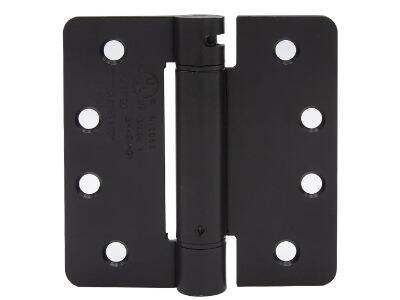
Concealed wiring black door hinges find extensive applications in various sectors, particularly in smart buildings where technology integration is crucial. These hinges are commonly used in access control systems, allowing for the installation of electronic locks without compromising aesthetics or functionality
Moreover, they are ideal for integrating sensors in commercial spaces, enabling automated lighting, security monitoring, and energy management systems. In healthcare facilities, concealed wiring hinges can facilitate the seamless operation of specialized doors used in sterile environments, maintaining both hygiene and functionality
Another application includes residential smart home systems, where these hinges can support automated doors and integrated security features, enhancing the user experience while maintaining a clean look
Cost Factors to Consider for Bulk Orders of Wiring Hinges
When purchasing concealed wiring hinges in bulk, several cost factors should be considered. First, the quantity ordered can significantly influence the pricing. Most manufacturers offer tiered pricing, where larger orders result in lower unit costs
Additionally, the complexity of customization affects costs. If specific features or materials are required, this may lead to increased production expenses. Be sure to communicate your exact requirements to get accurate quotations
Shipping and handling costs should also be factored into your budget. Depending on the destination and volume, these costs can vary widely. Plan for additional expenses associated with quality control inspections, which may be necessary for bulk orders to ensure that all products meet your specifications
Lastly, consider the lead time for production and delivery. Longer lead times may affect project schedules, leading to potential costs associated with delays. Ensure that the supplier can meet your timeline before committing to an order
Essential Specifications for Concealed Wiring Door Hinges
When specifying concealed wiring door hinges, several key specifications should be prioritized to ensure optimal performance
Dimensions: The hinge size should match the door specifications. Incorrect dimensions can lead to installation challenges or operational issues
Load Capacity: It is crucial to determine the maximum load the hinge can support. This specification depends on the door weight and intended use, ensuring that the hinge can handle the physical demands placed on it
Material Composition: The material should provide adequate strength and durability while being resistant to environmental factors. For instance, stainless steel offers excellent corrosion resistance, making it suitable for various applications
Electrical Specifications: The wiring capacity and insulation levels must be verified to ensure compatibility with the intended electrical systems. This is particularly important in smart building applications where electrical performance is critical
Finishing Options: The surface finish can affect both aesthetic appeal and corrosion resistance. Discuss available finishing options, such as powder coating or anodizing, to match your project's design requirements
By addressing these specifications with your supplier, you can ensure that the concealed wiring door hinges will meet the performance and aesthetic standards required for your project
Choosing the right concealed wiring door hinges for smart building applications involves careful consideration of design, quality, application suitability, and cost factors. By understanding these elements, buyers can make informed decisions that enhance the functionality and longevity of their installations