
 EN
EN

OEM door hinge development is crucial for architectural hardware brands, as it directly impacts the functionality and aesthetics of doors in various applications. This article will help purchasing managers, engineers, and product managers understand the essential specifications, supplier selection criteria, and quality evaluations necessary for successful OEM door hinge sourcing, ultimately aiding in informed purchasing decisions.
Understanding OEM Door Hinge Specifications for Your Projects
When diving into OEM door hinge specifications, several factors become critical to ensure that the hinges meet both performance and aesthetic requirements. Key specifications include:
Load Capacity: Understanding the weight that the door hinge needs to support is crucial. This affects the hinge size, material, and design. For instance, heavy-duty doors require hinges with a higher load capacity to prevent sagging and ensure longevity.
Dimensions: The size of the hinge, including its length, width, and thickness, must match the door and frame specifications. Accurate measurements are essential to ensure proper fit and function.
Material: The choice of material affects durability, corrosion resistance, and aesthetic appeal. Common materials include stainless steel for its strength and resistance to rust, and brass for its decorative qualities.
Finishes: The finish of the hinge plays a significant role in both aesthetics and functionality. Options may include polished, satin, or matte finishes, each providing different visual impacts and levels of corrosion resistance.
Testing Standards: Compliance with specific standards, such as CE marking and EN/DIN standards, is vital for ensuring safety and reliability. These standards define performance criteria, including anti-theft tests which are crucial for security applications.
Understanding these specifications allows architectural hardware brands to select the right OEM hinges that align with their project needs and customer expectations.
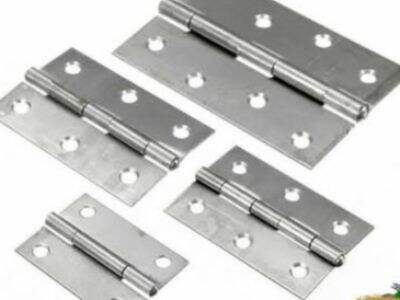
How to Choose the Right Door Hinge Supplier for Bulk Orders
Selecting the right door hinge supplier is critical to ensuring product quality and meeting project timelines. Here are key considerations:
Experience and Expertise: Look for suppliers with a proven track record in OEM hinge development. An experienced supplier understands the nuances of design, manufacturing processes, and quality control.
Customization Capabilities: Assess whether the supplier can accommodate custom designs and specifications. This flexibility is essential for projects requiring unique hinge solutions.
Production Capacity: Evaluate the supplier's production capabilities to ensure they can meet bulk orders. Understanding lead times and minimum order quantities (MOQ) helps in planning project timelines.
Quality Assurance Processes: Investigate the supplier's quality control measures. A reliable supplier should have robust testing procedures to ensure that the hinges meet all specified standards and performance requirements.
Communication and Support: Effective communication is key to a successful partnership. Choose a supplier who is responsive and willing to provide technical support throughout the project.
By carefully evaluating these factors, purchasing managers can ensure they partner with a supplier capable of delivering high-quality OEM door hinges that meet their specific requirements.
Evaluating the Quality of OEM Door Hinges for Architectural Use
Quality evaluation is paramount when sourcing OEM door hinges, as it directly influences the performance and longevity of installations. Here are several aspects to consider:
Material Quality: Assess the raw materials used in hinge manufacturing. High-quality materials lead to better durability and resistance to environmental factors, such as moisture and corrosion.
Surface Treatments: Examine the surface treatments applied to hinges. Treatments such as galvanization or powder coating enhance corrosion resistance and can improve the hinge’s aesthetic appeal.
Performance Tests: Ensure that hinges undergo rigorous performance testing, including load testing and cycle testing, to verify their durability and functionality under expected conditions.
Certifications: Confirm that the hinges meet industry certifications, which indicate compliance with safety and performance standards. This provides assurance of the product’s reliability in architectural applications.
Sample Approval: Before mass production, it is advisable to request samples for inspection. This allows for hands-on evaluation of dimensions, materials, and functionality, ensuring the product meets project specifications.
By prioritizing these quality evaluation steps, architectural hardware brands can mitigate risks and enhance the reliability of their products.
Key Considerations
When engaging in OEM door hinge development, several key considerations should be kept in mind:
Compatibility: Ensure that the selected hinges are compatible with both the door and frame. This requires precise measurements and understanding of the installation environment.
Design Aesthetics: The hinge design should align with the overall aesthetic of the door and surrounding architecture. This includes color, finish, and style.
Functionality: Consider the intended use of the door. High-traffic areas may require more robust hinges, while decorative doors may prioritize appearance over heavy-duty performance.
Environmental Conditions: Understand the environmental conditions where the hinges will be installed. Areas with high humidity or exposure to corrosive elements may require specific materials and finishes.
Lead Times: Factor in lead times for production and shipping when planning projects. Delays in hinge delivery can impact overall project timelines.
By addressing these considerations, buyers can make more informed decisions that enhance the overall success of their architectural projects.
Comparing Material Advantages of Various OEM Door Hinges
The choice of material for OEM doors and hinges significantly influences their performance, durability, and aesthetic appeal. Here’s a comparison of common materials used in hinge manufacturing:
| Material | Advantages | Disadvantages |
|---|---|---|
| Stainless Steel | High strength and corrosion resistance, ideal for heavy-duty applications | Can be more expensive than other materials |
| Brass | Attractive finish, good corrosion resistance, ideal for decorative applications | Less durable than stainless steel under heavy loads |
| Aluminum | Lightweight and corrosion-resistant, suitable for interior applications | Lower strength compared to steel options |
| Plastic | Lightweight and resistant to corrosion, ideal for low-load applications | Not suitable for heavy-duty or outdoor use |
Each material has its unique advantages and limitations, and the best choice depends on the specific requirements of the application. Buyers should consider factors such as load-bearing capacity, environmental exposure, and aesthetic needs when selecting materials for OEM door hinges.
By thoroughly understanding the material properties and their implications, architectural hardware brands can make better choices that align with their project specifications and customer expectations.