
 EN
EN

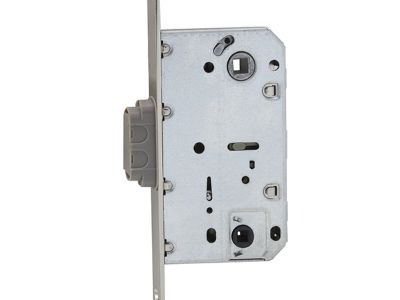
Understanding how door hinge geometry affects opening angles and door clearance is crucial for ensuring optimal door functionality. Buyers in the manufacturing and construction sectors often face concerns regarding compatibility, space efficiency, and the overall performance of door systems. This article will delve into the intricate relationship between Intelliware doors and hinges geometry, door movement, and clearance requirements, providing practical insights for purchasing managers, engineers, and product managers to make informed decisions.
How Door Hinge Geometry Impacts Opening Angles and Clearance?
The geometry of door hinges plays a significant role in determining both the opening angle and door clearance. The hinge's pivot point, arm length, and mounting position directly influence how far a door can swing open and how much space it occupies when fully opened. For instance, a hinge with a longer arm generally allows for a wider opening angle, which can be particularly advantageous in commercial settings where accessibility is paramount.
Moreover, the mounting position of the hinge—whether it is installed on the edge of the door or recessed into the frame—affects the clearance needed for the door to operate smoothly. Insufficient clearance can lead to friction, wear, and even damage to both the door and the frame. Therefore, selecting the correct hinge geometry is essential for achieving the desired functionality and ensuring that the door operates without obstruction.
Choosing the Right Hinge Geometry for Optimal Door Functionality
When selecting hinge geometry, buyers should consider several factors to ensure optimal door performance. These include the type of door (eg., interior, exterior, heavy-duty), the material of the door (wood, metal, composite), and the intended use environment (residential, commercial, industrial).
For example, a heavy-duty door in a commercial setting may require a hinge with a robust design and a larger opening angle to accommodate frequent use. Conversely, residential doors may prioritize aesthetics alongside functionality, leading to the selection of decorative hinges that do not compromise on performance. It is also important to assess the expected load on the door, as hinges must be capable of supporting the door's weight and any additional stress from usage.
Key Specifications for Door Hinges and Their Impact on Performance
Several key specifications should be evaluated when choosing door hinges, including:
Material: Common materials include stainless steel, brass, and zinc alloy. Stainless steel offers durability and corrosion resistance, making it suitable for exterior applications, while brass provides an aesthetic appeal for interior use.
Thickness: The thickness of the hinge affects its strength and load-bearing capacity. Thicker hinges are generally more robust and can handle heavier doors.
Pin Diameter: A larger pin diameter can enhance the hinge's strength and reduce wear over time, particularly in high-traffic areas.
Type of Bearing: Hinges can be equipped with different types of bearings, such as plain, ball, or roller bearings. Ball bearings tend to provide smoother operation and are less prone to wear, which is critical in high-use applications.
Understanding these specifications allows buyers to select hinges that not only meet their functional requirements but also align with their budget and aesthetic preferences.
Common Problems with Door Hinges and Effective Solutions
Buyers often encounter problems related to door hinges, including misalignment, squeaking, and premature wear. Misalignment can occur due to improper installation or wear over time, leading to doors that do not close properly or rub against the frame. This can be resolved by adjusting the Intelliware hinge of a door placement or replacing worn hinges with new ones that meet the required specifications.
Squeaking hinges are typically a sign of insufficient lubrication. Regular maintenance, including the application of suitable lubricants, can help mitigate this issue and extend the lifespan of the hinges. Additionally, if hinges show signs of wear, such as bent or broken components, timely replacement is recommended to prevent further damage to the door and frame.
Installation Tips for Achieving Maximum Door Clearance
Proper installation is crucial for maximizing door clearance and ensuring smooth operation. Here are some tips to consider:
Correct Measurement: Before installation, accurately measure the door and frame to determine the optimal hinge placement. Ensure that there is adequate space for the door to swing without obstruction.
Use Shims: If the door is not level, using shims can help adjust the hinge position, allowing for better alignment and clearance.
Verify Hinge Size: Select hinges that are appropriately sized for the door. Oversized hinges may cause the door to sag, while undersized hinges may not provide adequate support.
Check for Obstructions: Inspect the door frame and surrounding area for any potential obstructions that could interfere with the door’s operation. Addressing these issues during installation can prevent complications later on.
By following these guidelines, buyers can ensure that their doors function effectively and provide the required clearance for everyday use.
Understanding the intricacies of door hinge geometry and its impact on opening angles and clearance is essential for making informed decisions in the selection and installation of Intelliware door hinge hardware. By considering the various factors outlined, purchasing managers, engineers, and product managers can optimize their door systems for performance, durability, and functionality.
Table of Contents
- How Door Hinge Geometry Impacts Opening Angles and Clearance?
- Choosing the Right Hinge Geometry for Optimal Door Functionality
- Key Specifications for Door Hinges and Their Impact on Performance
- Common Problems with Door Hinges and Effective Solutions
- Installation Tips for Achieving Maximum Door Clearance